

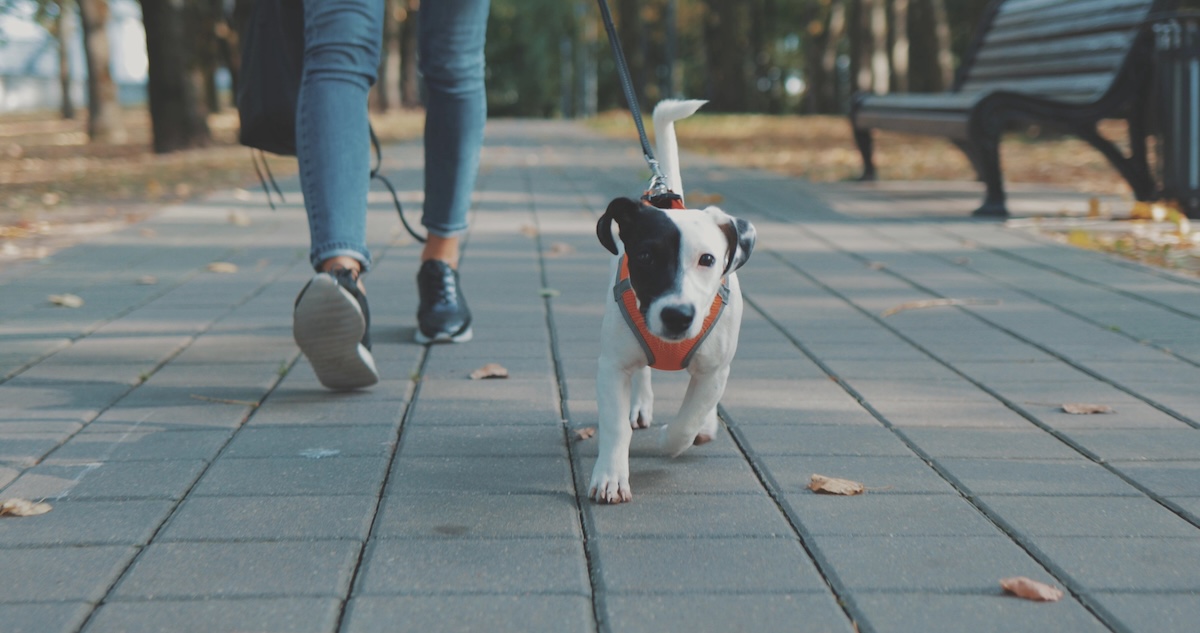
Summer in central Indiana brings longer days, backyard barbecues, family vacations and plenty of opportunities to spend time outdoors with our four-legged companions. While pets often enjoy summer activities as much as their owners, rising temperatures can quickly become dangerous if proper precautions aren’t taken.
Veterinarians throughout the Geist and Lawrence communities encourage pet owners to make heat safety a priority during Indiana’s hottest months.
“Many people underestimate how quickly pets can overheat,” veterinarians say. “Unlike humans, dogs and cats cannot cool themselves efficiently through sweating. They primarily regulate body temperature by panting, which becomes less effective during periods of high heat and humidity.”
One of the simplest ways to protect pets is by ensuring they always have access to fresh, clean water. Whether relaxing in the backyard, visiting a local park or spending a day on Geist Reservoir, pets should have water available at all times. Portable water bowls and pet-friendly water bottles make hydration easy while traveling.
Pet owners should also pay close attention to pavement temperatures. Asphalt and concrete absorb heat throughout the day and can become significantly hotter than the surrounding air temperature. On an 85-degree day, pavement temperatures can exceed 130 degrees, causing painful burns to a dog’s paw pads within seconds.
A simple test recommended by veterinarians is placing the back of your hand on the pavement for seven seconds. If it’s too hot for your hand, it’s too hot for your pet’s paws. Whenever possible, walk pets during the cooler morning or evening hours and choose grassy or shaded paths instead of hot sidewalks.
Heatstroke remains one of the most serious summer dangers for pets. Certain breeds, including bulldogs, pugs, boxers and other short-nosed dogs, face an increased risk because of their limited ability to cool themselves through panting. Senior pets, overweight animals and those with underlying health conditions are also more susceptible.
Common signs of heat exhaustion or heatstroke include excessive panting, drooling, a rapid heartbeat, lethargy, vomiting, diarrhea, disorientation and collapse. If any of these symptoms occur, owners should move the pet to a cool, shaded area immediately and contact a veterinarian.
Experts caution against using ice-cold water on an overheated pet. Instead, cool water and damp towels placed around the neck, belly and paws can help gradually reduce body temperature while veterinary care is sought.
Perhaps the most important summer safety reminder is to never leave a pet unattended in a vehicle. Even with windows cracked, temperatures inside a parked car can rise rapidly to deadly levels. On an 80-degree day, the interior of a vehicle can exceed 100 degrees in less than 20 minutes.




Comments 1
On hot days, I let my dog drive the car, with the window down, of course