

This is Home Now
There are numerous documentaries, educational books and other tools to share the atrocities of the Holocaust of the 1940s. It’s known in Hebrew as Shoah, or “catastrophe,” and included the genocide of European Jews throughout World War II, a systematic murder of more than 6 million Jews, two-thirds of Europe’s Jewish population.
We’ve heard or seen images of ghettos, labor and extermination camps.
However, we don’t often hear about the survivors and their stories after World War II ended. Where did they go? What did they do?
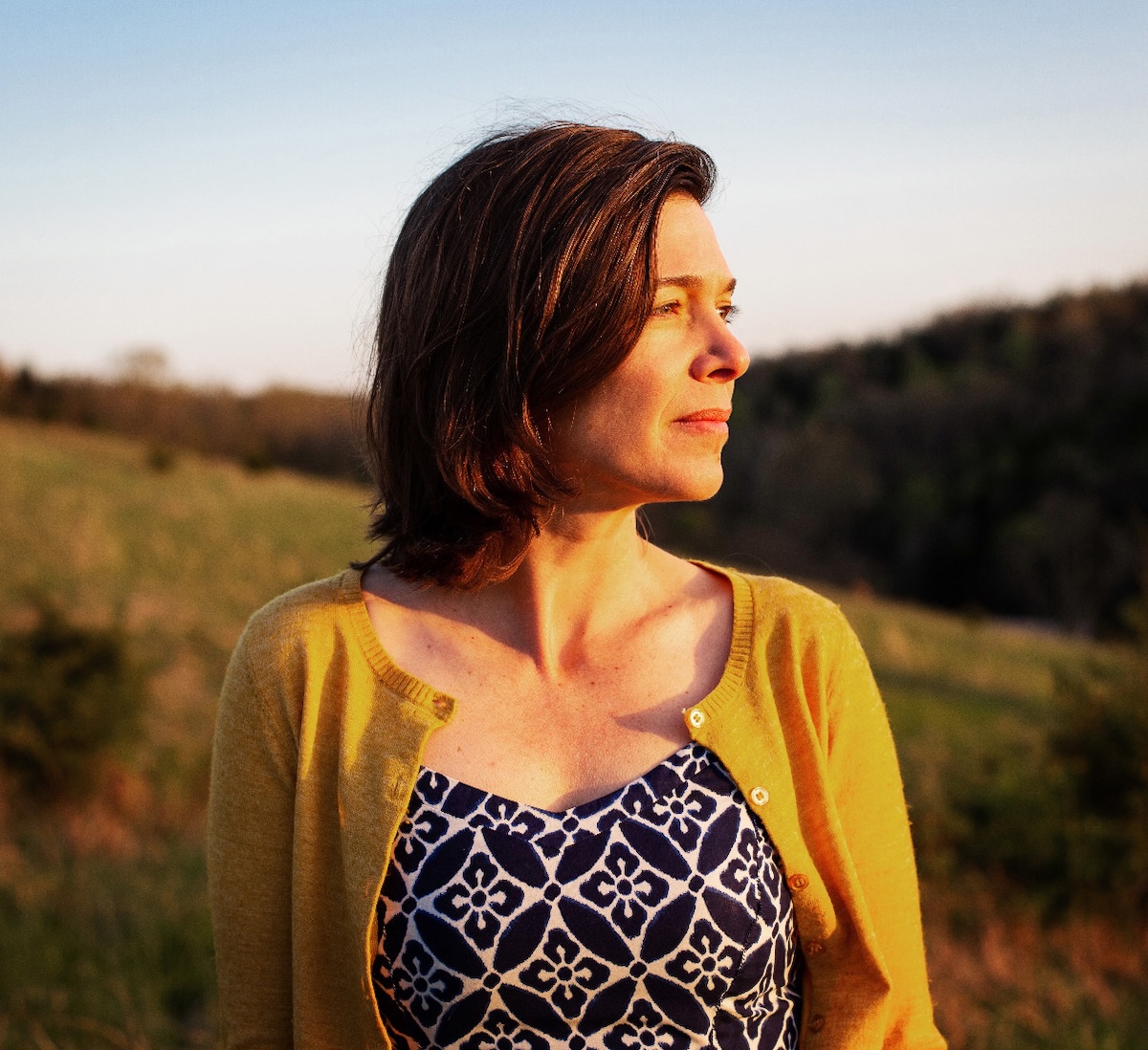
Arwen Donahue was working for the United States Holocaust Memorial Museum in Washington, D.C., in the late 1990s and when she and her husband decided to move to a rural Kentucky farm, she kept her job coordinating interviews with Holocaust survivors across the country.
The museum was interested in learning about their lives after the war; their experiences immigrating to the U.S., building their communities and virtually rebuilding their lives.
“Once I moved to Kentucky, it was a natural thing for me to ask if there were any survivors here. I was curious to hear their stories,” Donahue says. “I wanted to continue collecting the oral history but with a different focus. This time, I was focused on a specific place.”
Most Jewish immigrants came to America through New York and remained there once they arrived. The community already established and the understanding survivors had for each other kept many in the Jewish community rooted to that environment.
For those who ended up in Kentucky, however, one can only imagine the lack of Jewish community, language barriers, trauma responses and other challenges that came with a new environment — a new country.
With her connections to the museum, Donahue requested a list of Holocaust survivors living in Kentucky from its national registry.
She contacted 40 individuals and interviewed 14 of them to document their oral histories.
The reactions she received after reaching out varied.
“There were those who didn’t want to talk and those that felt compelled out of a sense of duty,” Donahue says. “A recurring theme I saw was talking about it and the repercussions. They were bringing back painful memories and many said it’ll bring back the nightmares; they won’t be able to sleep. It’s a real burden for a lot of survivors because it’s so painful.”
She interviewed one individual who later retracted permission to share the interview, in fear of being targeted in their community.
Still, others expressed a deep faith in the United States, its people and their community.
“The word ‘survivor’ comes with a broad definition. You may not have been in a concentration camp but you survived by hiding or escaping Europe. As far as I’m concerned, anyone who had to live under the Nazi regime is a survivor,” Donahue says. “So, to some extent, how easy it was to talk about it aligned with their personal experience.”
Donahue participated in an exhibit in 2005, sharing the oral histories she had compiled. One thing led to another and with the partnership of a professional photographer and interest from the University Press of Kentucky, a book was created and published in 2009.
“This Is Home Now: Kentucky’s Holocaust Survivors Speak” led to another host of inspiring opportunities and experiences. “I didn’t know this project would lead to its own process of community building, particularly between some of the survivors,” Donahue says. “We had a large event with a gathering of the survivors and it was truly moving to see. Some of them became friends with each other. None of them had really ever met another survivor in Kentucky.”
Today, the only survivor in Kentucky she is aware of is 95-year-old John Rosenberg, a longtime civil and human rights activist.
It’s a shining example of why Donahue says oral histories are so important. Their stories are quickly becoming faded or lost altogether.
As time passed, Donahue says her role has evolved and shifted.
“For years after the book, people would get in touch with me to get in touch with a Holocaust survivor. I would often go with them to various events and speak to classrooms or at a museum,” Donahue says. “Today, there’s a group of educators who need materials to teach the Holocaust in the classroom and there’s a foundation that’s partnered with the University of Kentucky to provide teacher trainings and I participate in that.”
She says it’s always interesting and there’s always more information to capture.
“I think it’s so important. One of the best affirmations I’ve heard is talking to teachers who are bringing oral history to their classrooms and sharing them with the students. Teacher after teacher have said this material makes my students excited about learning history,” Donahue says. “It makes the Holocaust feel real to them because they hear a story about Sylvia Greene living in Winchester, Kentucky, and they know where that is. These are our neighbors and it’s no longer abstract.”
Donahue has gone on to do other oral histories outside of Holocaust survivors. She used to think history was boring but has seen firsthand how hearing others’ stories can leave a lasting legacy.
“It’s in my DNA. I love listening to people’s stories and that’s really what history is; a collection of experiences and too often, we don’t think of it that way,” Donahue says. “These are our people.”
Today, Donahue is focused on creative writing and other artistic expressions.
She’s the author of a graphic memoir, “Landings: A Crooked Creek Farm Year,” and her comics, essays and graphic stories have been featured in numerous literary publications.
“This Is Home Now” is still used in classrooms and available through Amazon or the University Press of Kentucky. For more of Donahue’s work, visit arwendonahue.com.