

Brownsburg Schools Elevate Nutrition Through Scratch Cooking & Global Menu Innovation
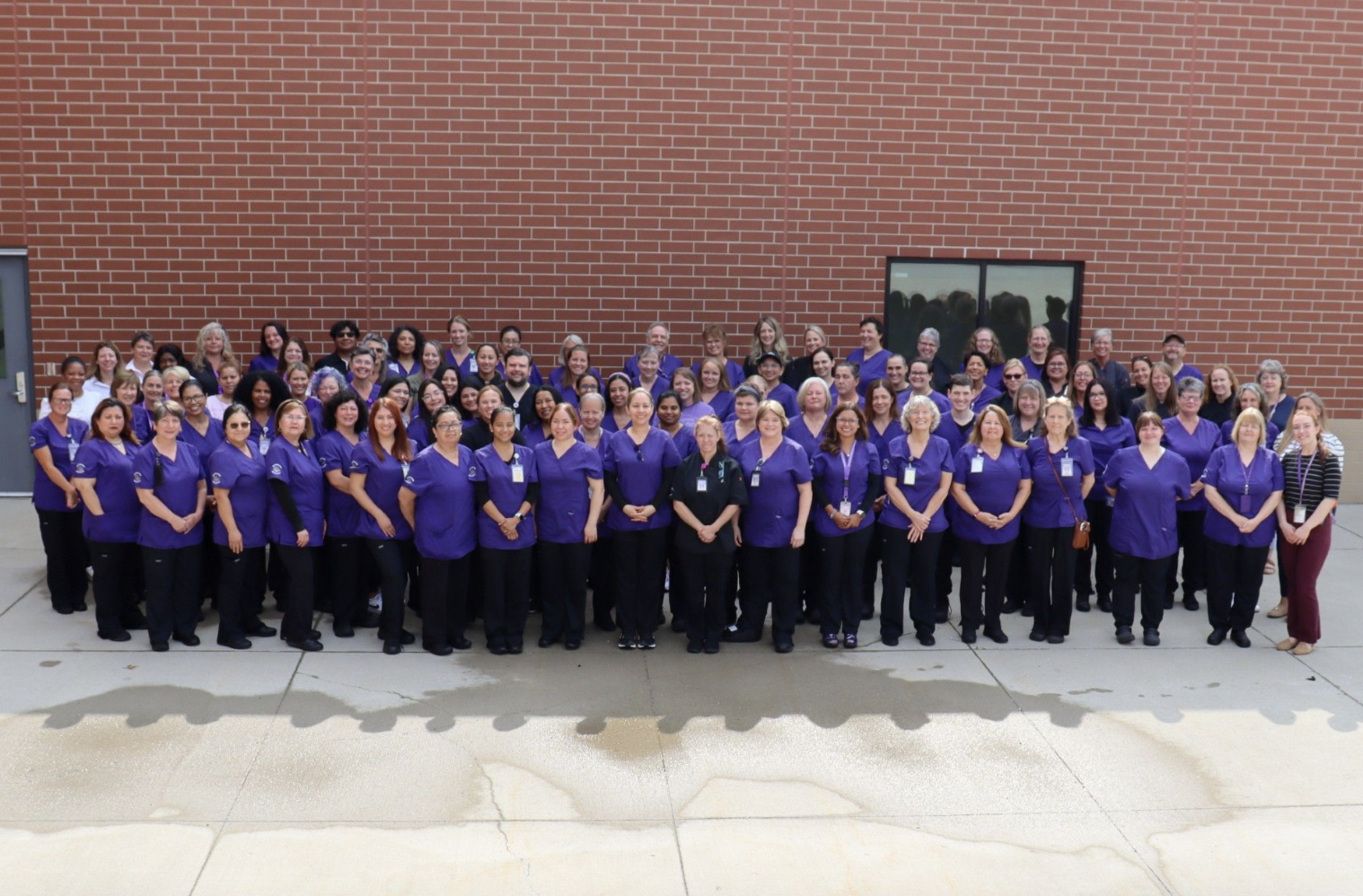
 Brownsburg Schools’ Nutrition Services Department is proving that today’s school meals can be both nutritious and exciting. Under the leadership of Director of Nutrition Services Jordan Ryan and Assistant Coordinator Victoria Sparks, the district has launched initiatives that emphasize scratch cooking, cultural inclusivity, and student engagement, transforming how children experience food at school.
One of the most popular new initiatives is the Global Harvest Initiative, which introduces students to international dishes such as jollof chicken and rice and lemon-zest broccoli. The program grew from a desire to reflect the diverse tastes of Brownsburg’s student population.
“Our kids eat lots of different foods,” Ryan says. “We wanted our menus to reflect that. It’s not just pizza and chicken nuggets every day.”
The menu development process is surprisingly comprehensive. Recipes often begin as suggestions from staff, students, or parents before being adapted to meet nutritional standards and the capabilities of the school kitchen. Each new dish goes through multiple rounds of testing with staff and student focus groups.
“We make modifications to keep recipes authentic but feasible,” Sparks says. “Once it passes taste tests and nutrition checks, we roll it out across schools.”
While expanding student palates is a priority, the department’s foundation remains balanced nutrition and broad appeal. Because Nutrition Services operates as a self-sustaining fund, participation is vital.
“We rely on students choosing to eat school meals,” Ryan says. “So every menu decision must balance appeal with nutrition.”
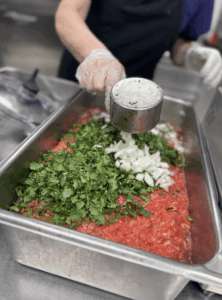
Scratch cooking has become another cornerstone of Brownsburg’s approach. With full kitchens in every building, staff can prepare fresh, flavorful meals daily, often from scratch. Favorites include homemade salsa, cinnamon rolls, and even brick-oven pizza at the high school.
“It’s a totally different flavor profile than oven-baked pizza,” Ryan says. “The kids love it.”
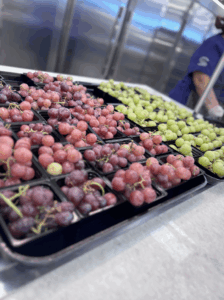 Brownsburg’s cafeteria redesigns complement the culinary upgrades, with bright, welcoming spaces meant to encourage positive dining experiences. Sparks says the environment where students eat matters almost as much as the food itself.
“We want it to be a safe, comfortable, enjoyable space,” she says.
The results are measurable. Meal participation has steadily increased during Ryan’s 9-year tenure, alongside a growing population of students qualifying for free or reduced-price lunches, now at 36%, up from 25% when she began.
“For many students, this might be the best meal they get all day,” Sparks says. “It’s our responsibility to make sure it’s nutritious and delicious.”
Beyond meeting nutritional needs, the department views its work as an opportunity to instill lifelong habits. This mission is clear.
“We’re influencing the food choices these kids will make as adults,” Ryan says. “Serving nutritious, appealing meals supports both their learning and long-term health.”
Looking ahead, Brownsburg Schools plans to continue expanding scratch-made offerings, enhance staff training, and explore more culturally diverse recipes.
“It’s continuous improvement,” Ryan says. “The more we can make from scratch and the more we can excite kids about trying new foods, the better.”
In Brownsburg, school lunch isn’t just a midday meal. It’s a community-driven effort to nourish, educate, and inspire students every day.