

Selling a house is stressful enough. Now imagine doing it while settling an estate, moving a parent into eldercare, or dealing with a city code violation notice.
That’s the situation many Marion County homeowners face. For some, a traditional real estate listing isn’t the most practical option. Instead, they’re exploring cash home buyers in Indianapolis who can purchase properties directly, including homes that need significant repairs.
But choosing the right buyer matters. Homeowners should understand the difference between working with a local buyer who intends to purchase their property and signing an agreement with someone who plans to find another buyer before closing.
Why a Traditional Listing Doesn’t Work for Every House
Many traditional home sales involve buyers who rely on mortgage financing. Depending on the loan program and the property’s condition, lenders may require certain repairs before approving the loan. Buyers may also request repairs after a home inspection.
For homeowners dealing with significant deferred maintenance, meeting those requirements can make a traditional sale more complicated and expensive.
This can be particularly challenging in older Indianapolis neighborhoods such as the Near Eastside, Martindale-Brightwood, and the Southside, where some properties need substantial plumbing, roofing, or electrical work.
The situation can become more complicated when deferred maintenance attracts the attention of the Indianapolis Department of Business and Neighborhood Services (BNS). Depending on the violation and enforcement process, homeowners may face penalties, additional compliance requirements, and mounting costs if issues remain unresolved.
For someone managing an inherited property, an unexpected move, or a vacant house, these responsibilities can quickly become overwhelming.
What’s the Problem With Wholesalers?
Some homeowners encounter problems with wholesalers who sign purchase agreements without intending to purchase the property themselves. Instead, they look for another buyer willing to take over the contract for a higher price.
This practice, known as contract assignment, is a legitimate investment strategy when conducted properly. However, homeowners should understand exactly who they’re contracting with and whether that buyer intends to close on the property.
The Indiana Association of REALTORS’ warning about wholesaling describes concerns involving wholesalers who approach homeowners with purchase agreements despite having no intention of buying the property themselves. The association also explains the importance of proper disclosures and verifying the parties involved.
Problems can arise when a wholesaler struggles to find an end buyer. The original offer may suddenly change, negotiations may fall apart, or the homeowner may discover that the person who signed the agreement cannot actually complete the purchase.
By that point, the seller may have already packed belongings, scheduled movers, or made other arrangements based on the expected closing date.
That’s why homeowners should ask important questions before signing an agreement, including whether the buyer intends to purchase the property directly, has proof of funds, and can explain what happens if the transaction doesn’t close.
How a Direct Local Buyer Works
A direct local buyer is the actual purchaser of the property rather than someone whose primary intention is to find another buyer to take over the contract.
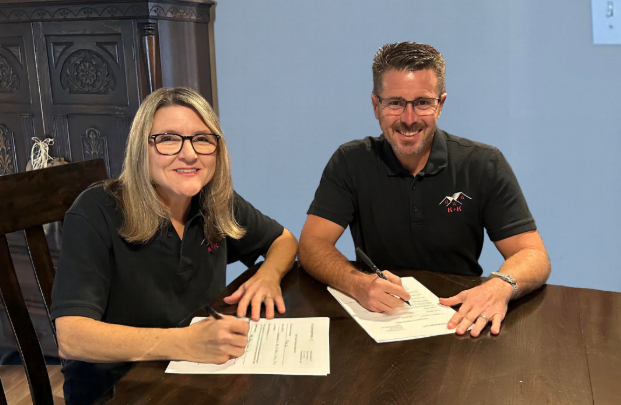
Take KK Buys Indy Homes, founded by lifelong Indiana resident Kari Mueller, and her husband Kent Mueller. The woman-owned Indianapolis business purchases properties directly using several sources of funding, allowing homeowners to sell their houses as-is without completing repairs or preparing them for a traditional listing.
With backgrounds in eldercare and construction, Kari and Kent understand the practical and emotional challenges families can face when selling an inherited property, managing a vacant home, or dealing with a house that needs significant work.
For homeowners considering a direct sale, this approach offers several potential advantages:
- No repairs or listing-agent commissions. Homeowners don’t have to renovate the property, prepare it for showings, or pay a listing-agent commission.
- A committed buyer. Kent and Kari evaluate properties in person before presenting an offer. KK Buys Indy Homes also provides some offers with a non-refundable earnest money deposit, with the terms documented in the purchase agreement.
- A documented closing process. Transactions are completed through an Indiana title company, providing a formal process for handling the sale.
- Flexibility during difficult situations. Closing dates can be coordinated around individual circumstances, including probate proceedings, family transitions, and medical timelines. Sellers may also be able to leave behind unwanted belongings rather than clearing out every room before closing.
For homeowners who don’t have the time, money, or resources to prepare a property for the traditional market, a direct sale may offer a more manageable alternative.
Where to Get Help With Code Violations
Homeowners dealing with an active property violation or looking for information about local property assistance can start with the city.
The Indianapolis Department of Business and Neighborhood Services provides information about property maintenance requirements, code enforcement, and related services.
You can visit indy.gov/bns or contact the department directly at 317-327-8700 for assistance with BNS services.
Getting clarification about a violation and understanding the available options can help homeowners make more informed decisions about their properties.
Before You Sign Anything
Whether you’re selling an inherited property, dealing with code violations, or simply trying to avoid the complications of a traditional listing, take time to understand your options.
Before signing a purchase agreement, ask any potential buyer:
- Are you purchasing the property directly, or do you intend to assign the contract?
- Can you provide proof of funds?
- What happens to the earnest money if the transaction doesn’t close?
- How much is the earnest money deposit and how long to deposit?
- Is the closing date documented in the agreement?
- Are there any additional fees, conditions, or contingencies?
An offer can provide a convenient alternative, but the buyer’s credibility and the terms of the agreement matter just as much as the price.
Ultimately, homeowners deserve to know who they’re working with, understand the agreement they’re signing, and feel confident about the next step. Check out the BBB and Google Reviews!