

Writer & Photographer / Michael Durr
Every year, as summer’s heat fades into crisp mornings, nature begins its most fleeting spectacle. The shores of the White River burn with scarlet, amber and gold. Leaves glow as if lit from within and for photographers, this brief moment — when the landscape seems to catch fire — becomes both a gift and a challenge. Photographing fall foliage is not just about capturing color — it is about chasing light, timing and atmosphere.
The key is to make a plan before the first leaf changes. Watch weather reports, track peak foliage predictions and scout locations weeks in advance. Unlike summer or winter scenes, autumn is notoriously unpredictable and opportunities are fleeting. A sudden cold snap can accelerate the transformation, while heavy rain or wind can strip trees bare overnight. Location is as crucial as timing. The good news is you can photograph or simply experience the joys of fall color minutes from your home.
Here are just a few suggested locations, White River State Park, Eagle Creek, Marott Woods Nature Preserve, Crown Point Cemetery, Newfields, Butler’s Campus and its surrounding areas, the grounds behind the Indy Art Center, Riverside Adventure Park and a float along the White River, which is easily accessible with kayak and canoe rentals from Frank’s Livery. You can even find amazing trees and scenes down residential streets all throughout the Northside of the city. The main takeaway is immersive fall foliage is not far away.
Photographers often rise before dawn to experience these scenes as the first light brushes treetops in a soft glow. The golden hour of autumn is especially rewarding, as warm sunlight amplifies the reds and oranges already present in the leaves. Still, light can be tricky. Harsh midday sun often flattens the richness of color, making images appear washed out.
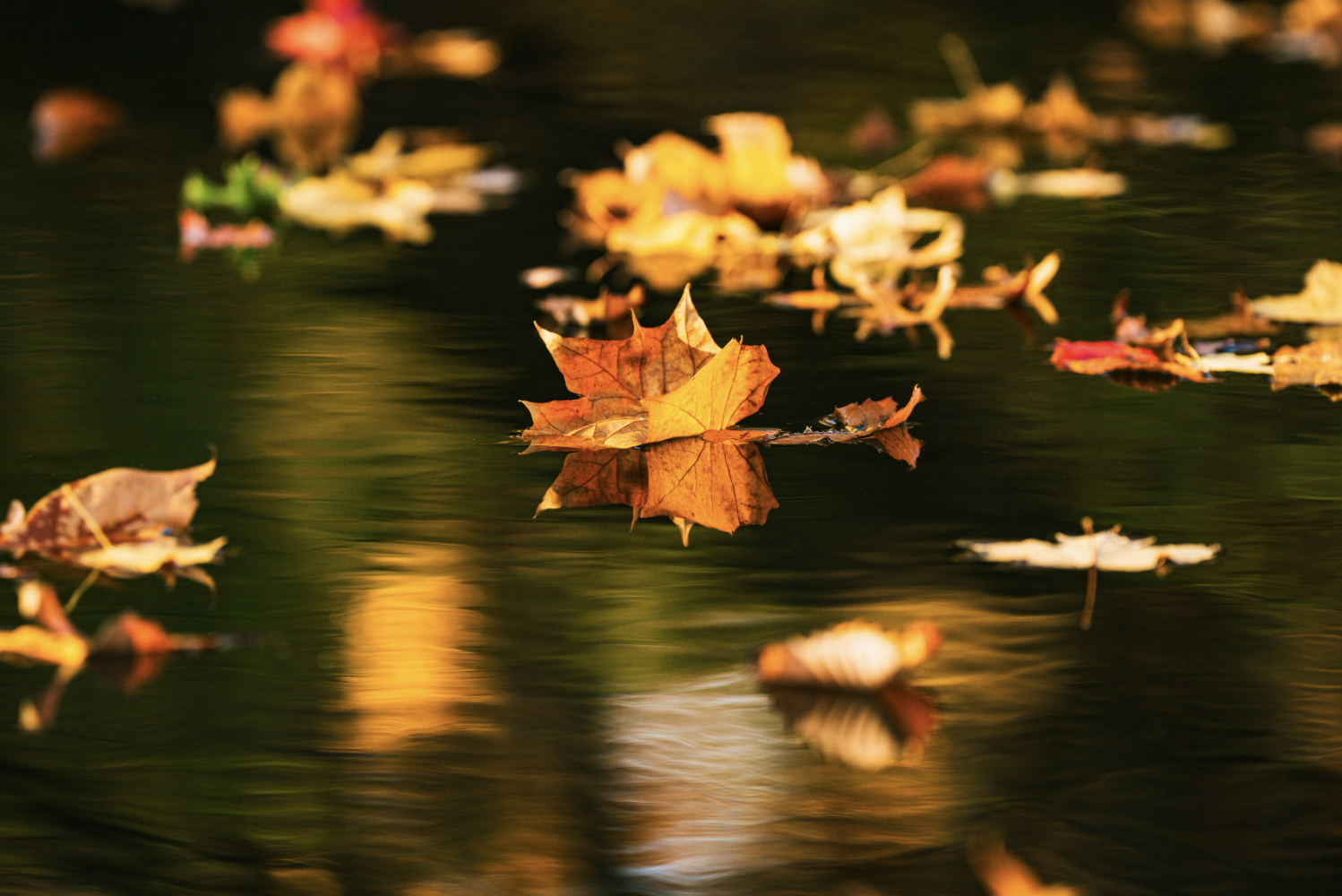
Overcast skies, on the other hand, act like a natural softbox, deepening hues and reducing glare. Many seasoned photographers welcome cloudy days, venturing into the woods where even ground-level details — fallen leaves on the ground, or orange canopies — come alive. Reflections in the river and canals double the spectacle, creating painterly symmetry and unique compositions.
The technical side of photographing fall foliage requires as much attention as the artistry. Wide-angle lenses capture sweeping landscapes, while telephoto lenses isolate trees, wildlife and offer up abstract looks. Polarizing filters are invaluable, cutting through glare on wet leaves and making skies richer. Photographers often adjust their white balance settings carefully, avoiding the cool, blue cast that can dull the warmth of fall colors.
But technique alone cannot tell the story of autumn. The best images weave atmosphere and emotion into the scene. A winding river disappearing beneath golden trees suggests a journey into the season. A child playing in a pile of leaves, or a solitary hiker traversing a trail, adds scale and humanity. In many ways, fall foliage photography is not just about documenting nature, but about telling the story of our Midwest season.
Editing, too, plays a delicate role. While modern tools can easily oversaturate and exaggerate colors, restraint often produces stronger results. Subtle contrast adjustments and gentle saturation boosts can help an image reflect the scene as the eye remembered it. The goal is to balance realism with artistry, allowing the natural vibrancy of autumn to shine without crossing into the artificial.
There is also the question of perspective. Drone photography can reveal patchwork trees and a winding river from above, compositions once limited only to imagination. Also, a macro lens can capture the intricate veins of a single yellow leaf. These shifts in scale allow photographers to explore autumn from epic scenes down to intimate details.
Lastly, the most important aspect of photographing fall foliage is presence. The chase for the perfect shot can sometimes overshadow the experience of simply standing in a forest aflame with color. Many photographers speak of a balance: between seeking the image and pausing long enough to breathe in the moment, to hear the crunch of leaves underfoot and the rustle of branches in a cool breeze. In those pauses, inspiration deepens. You don’t need to be a photographer either to enjoy these views and fall experiences.
If you have questions about locations or need photographic advice you can contact us here at North Indy or connect with Friends of White River at friendsofwhiteriver.org to learn more.