

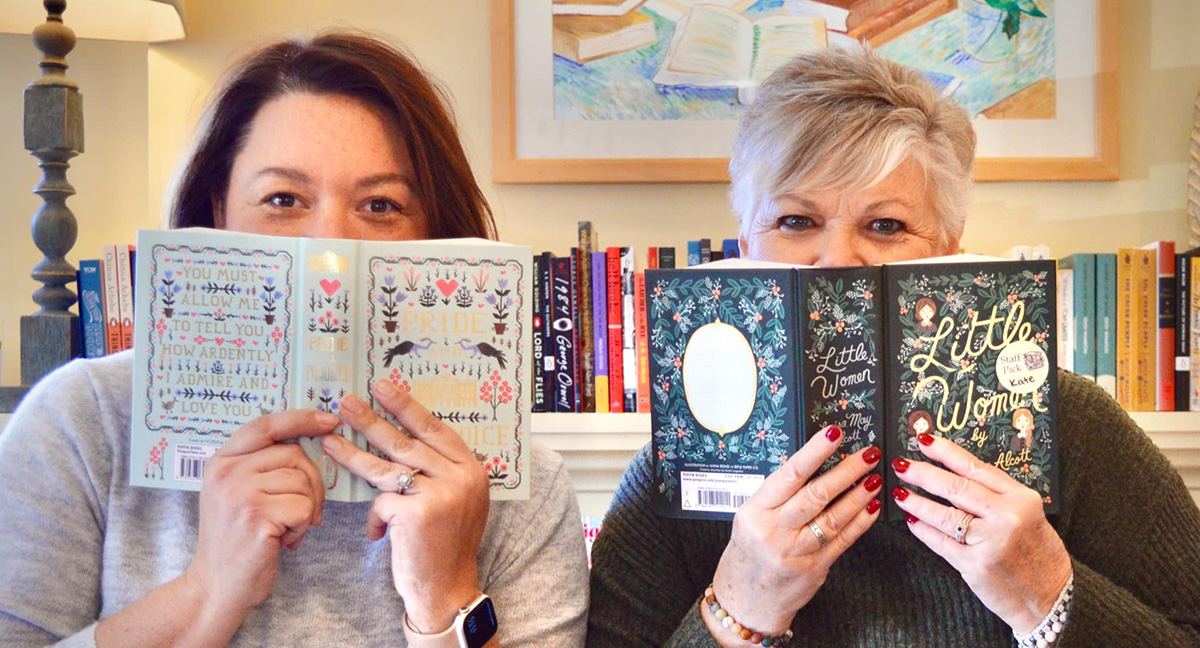
Bound Together Bookclub’s April Pick
For April, Bound Together Book Club is turning its attention to a timely and thought-provoking read: The Anxious Generation by Jonathan Haidt.
At first glance, the title alone may feel heavy. After all, no parent, grandparent, teacher, or neighbor wants to believe the children in their lives are growing up under a cloud of anxiety. Yet Haidt’s work doesn’t aim to scold or sensationalize. Rather, it gently and thoroughly examines how childhood has changed over the past decade — and how those changes have quietly reshaped the emotional landscape for kids and teens.
Today’s young people are growing up in a world more connected than ever before. They can FaceTime friends, submit homework online, track their sports schedules through apps, and scroll endlessly through curated snapshots of everyone else’s lives. Technology itself is not the villain of this story. In many ways, it’s remarkable. But Haidt invites us to consider what happens when screens begin to replace face-to-face friendships, outdoor adventures, boredom, and the small risks that once helped children build confidence.
Previous generations remember riding bikes until the streetlights flickered on, resolving playground conflicts without adult mediation, and navigating awkward middle school moments without a digital audience. Mistakes faded with time. Embarrassment was temporary. Social circles, though sometimes challenging, were limited to classrooms and neighborhoods.
Now, the pressure is constant. A group chat can buzz long after bedtime. The line between school life and home life has blurred. Even downtime isn’t always restful when notifications continue to light up the screen.
The Anxious Generation is not a book about fear—it’s a book about awareness and responsibility. Haidt carefully lays out research linking the rise of smartphone-based childhood to increases in anxiety, depression, and loneliness, particularly among adolescents. But rather than leaving readers discouraged, he offers something far more empowering: the idea that adults still have agency.
We cannot rewind time, nor should we wish away innovation. But we can ask thoughtful questions. Are we demonstrating healthy screen habits for our youth?
Perhaps most importantly, this book reminds us that children need communities that move together—schools that align with families, parents who support one another’s decisions, and neighborhoods that value childhood as something to be protected, not hurried.
There is something hopeful about reading this book together as a community. When conversations happen in living rooms, libraries, and coffee shops, change begins to feel possible. No one family can shift a culture on its own. But a community can.
May we, as readers, approach The Anxious Generation with curiosity and courage. Our children are watching us—learning how to handle pressure by observing how we handle it. And perhaps the greatest gift we can offer them is a steady, attentive presence within their daily lives.
Let’s read thoughtfully. Let’s talk honestly. And let’s remember that protecting childhood is a shared responsibility—one that binds us together.