

 The turn of the century (the 20th century that is) brought forward the manufacturing might of the United States. Transportation in particular became blossoming industry. The days of horse and carriage was soon to be replaced forever by the automobile. While many associate Detroit, Michigan as the automobile capital of the world, in 1910 automobile companies were popping up all over the country, including Franklin, Indiana.
In 1909 Knightstown, Indiana resident Frank Martindale founded the Indiana Motor & Manufacturing Company. He chose Franklin as the home for his new car company. Unlike Henry Ford who revolutionized the industry by creating the assembly line, Martindale’s cars were individually assembled. He dubbed his creation the Continental (not to be confused with the later Lincoln Continental). Thus the Continental became the only known automobile ever produced in Franklin (not including the Whitesides commercial trucks, that may warrant a future article).
Martindales company was located at 400 North Ott, more commonly referred to now as the Amphenol/Franklin Power Products site. There they produced several 4 cylinder models between 1910-1914 including roadsters and touring cars. The cars produced between 30 to 40 horsepower.
The growing industry created fierce competition and Martindale knew he needed to aggressively advertise to make his Continental shine above the rest. Locally, he advertised at the Johnson County Fair, displaying his car under a banner that read, “Continental 40 Made in Franklin” followed by the line: “Guaranteed Electric Starter: See it Start.”
Publications of the time called the Continental a fine car featuring machined-buffed leather upholstery and a dashboard made of mahogany. Unfortunately, the company was vastly underfunded and sales were low so, like many automotive start ups at the time, the Continental struggled to survive.
 In an effort to improve his companies fortune, Martindale endeavored to enter the Continental in the 1912 Indy 500. Entry records record George Fuller as the driver of the car numbered 27, however an article in the March 21, 1912 Franklin Evening Star listed Johnny Jenkins as the scheduled driver of the Continental Shark. Dubbed the Shark due to its unique body featuring fins and a large tail.
Records indicate that neither Fuller or Jenkins ever raced the car on the famed brickyard. However, another driver, Jimmy Hill, did attempt to qualify the car for the famed race only to fall short of the required minimum speed. The high costs of the racing experiment coupled with low sales sent the company into receivership on June 4, 1912 and Indianapolis bankers Bert McBride and Frank Martindale took the company over.
The name was changed to the Martin and Millikan Motor Company where they continued in earnest building cars until at least 1914, possibly a little later. By 1915, Martindale diverted his attention to a new automotive venture called the “Ultimotor” a 9-horsepower gasoline device designed to motorize formerly horse-drawn vehicles.
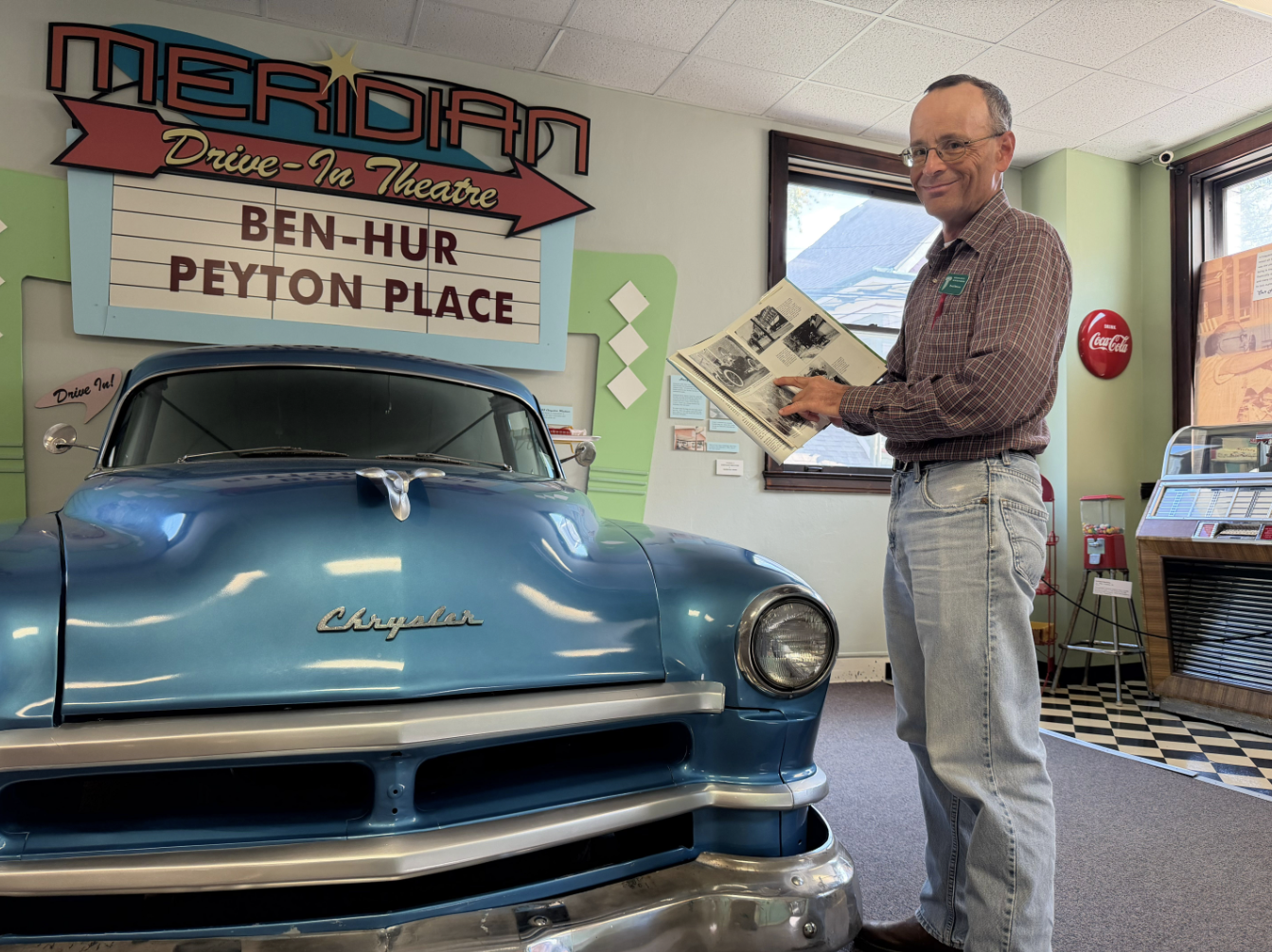
Sadly, The Continental and automobile manufacturing in Franklin have been lost to the sands of time. At the time of this writing no known surviving Continentals can be located and none may even exist. However the Johnson County Museum has curated perhaps the most documentation available on this quirky part of Franklin history. If you enjoyed learning about the Continental and also enjoy local history, make plans to visit the museum and spend a day enjoying the exhibits. If you want to learn more about transportation, be sure to ask one of the dedicated volunteer staff members and they can help you find what you are looking for.
As we move into the winter months and tuck our classics and hot rods in for winter hibernation, keep those high-octane thoughts alive with a visit to the museum. A special thank you to volunteer David Patterson for compiling a table full of material to review for this article. Spoiler alert – ask Patterson for information on the Whitesides commercial trucks, you will be glad you did! Until next time, keep cruising.



Comments 1
My grandfather, J Paul Kerlin, worked at this Franklin factory, supposedly as a “test driver”. I reponded to a post on FB with a photo of the “license” I found that he received while working there. Curious as to whether it was a license for the Speedway endeavor mentioned in this article.