

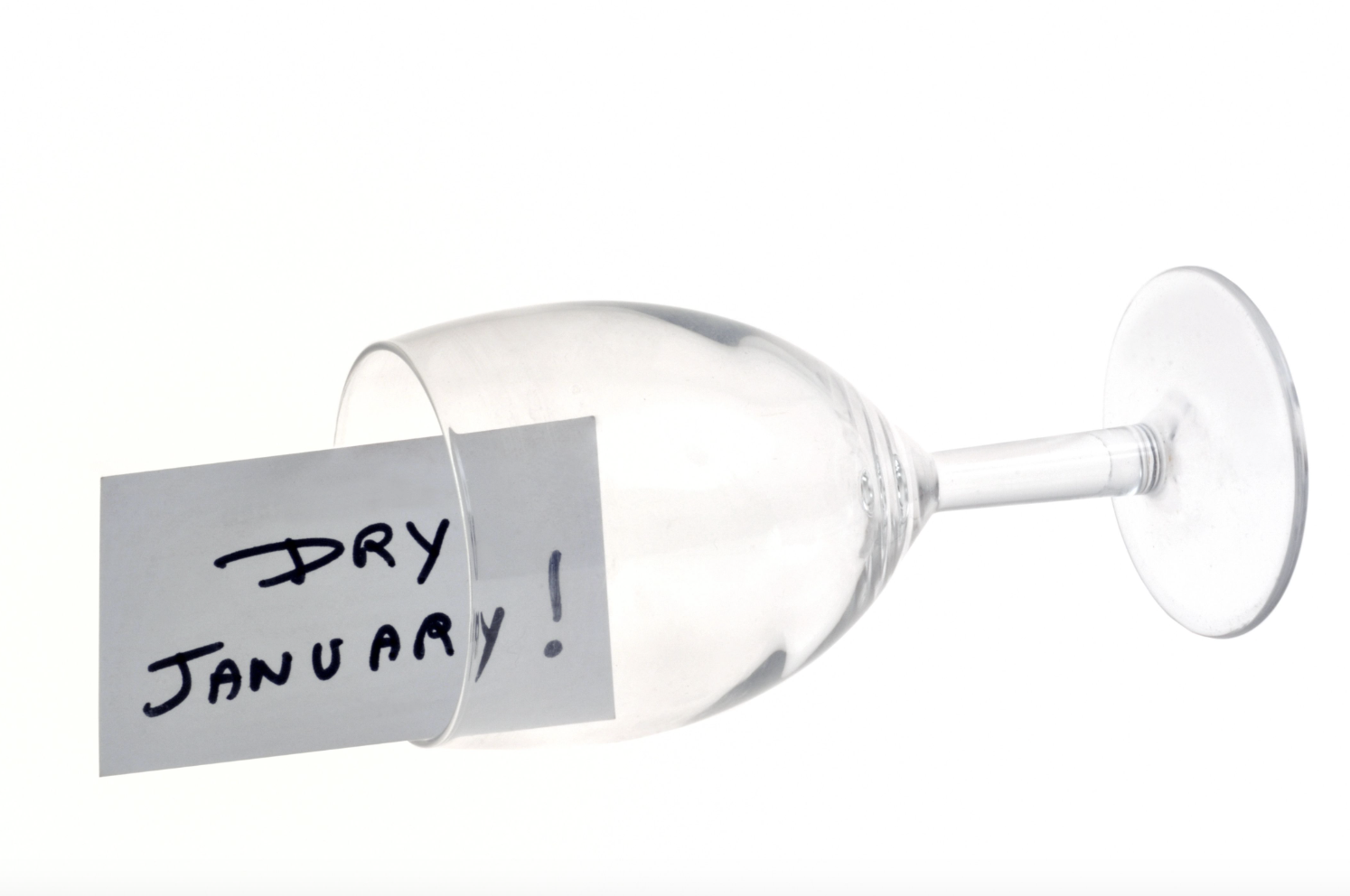
Rethinking Your Relationship with Alcohol
As the confetti settles and New Year’s resolutions take shape, an increasing number of Fishers residents are joining a global movement that’s changing how we think about alcohol. Dry January, the practice of abstaining from alcohol for the first month of the year, has evolved from a niche challenge into a mainstream wellness trend that’s reshaping our cultural conversation around drinking.
What Is Dry January?
 Dry January began in 2013 as a public health campaign by Alcohol Change UK, encouraging people to start the new year alcohol-free. The concept is straightforward: commit to not drinking any alcohol for the entire month of January. What started as a simple reset after holiday indulgence has grown into something much more significant — a catalyst for examining our drinking habits and discovering what life feels like without alcohol.
The Benefits Beyond the Buzz
Participants consistently report remarkable benefits. Better sleep quality tops the list, as alcohol disrupts sleep cycles even in moderate amounts. Many people experience improved energy levels, clearer skin, better concentration, and noticeable savings in their budget. Weight loss is common, too, since alcoholic beverages can add hundreds of empty calories to our weekly intake.
Perhaps most importantly, Dry January offers mental clarity. Without the social lubricant of alcohol, many participants discover they can enjoy gatherings, manage stress, and navigate difficult emotions using healthier coping mechanisms. This month-long experiment often leads to lasting changes, with research showing that many participants drink less even six months later.
A Cultural Shift in Progress
The momentum behind Dry January reflects a broader transformation in how Americans, especially younger generations, view alcohol. The “sober curious” movement is gaining ground, with more people questioning whether drinking genuinely enhances their lives or simply reflects societal expectations.
This shift is particularly visible in Fishers, where mocktail menus are expanding at local restaurants and alcohol-free social events are drawing crowds. The stigma traditionally associated with not drinking is fading, replaced by respect for individuals making intentional health choices.
Rewriting the Narrative
For decades, alcohol has been positioned as essential to celebration, relaxation and social connection. We toast with champagne, unwind with wine and bond over beers. But a growing number of people are proving these associations aren’t inevitable — they’re learned behaviors we can unlearn.
Choosing not to drink doesn’t mean opting out of life’s pleasures. It means experiencing them more fully, with greater presence and without the next-day consequences. It means defining fun and relaxation on your own terms rather than accepting cultural defaults.
Getting Started
If you’re considering Dry January, start by telling friends and family about your commitment — social support matters. Stock up on appealing non-alcoholic alternatives, from sparkling water to sophisticated alcohol-free spirits. Plan activities that don’t center around drinking, and be patient with yourself as you navigate social situations differently.
Whether Dry January becomes a permanent lifestyle change or simply a reset button, it offers something valuable: the opportunity to make conscious choices about alcohol rather than drinking out of habit. In a culture where drinking is often the default, choosing to abstain — even temporarily — is a powerful act of self-awareness and self-care.