

For veterans and first responders, getting through a crisis is often only the beginning. The lasting effects of trauma can continue long after the immediate emergency has passed, affecting health, relationships, careers and everyday life. The Holistic Healing and Health Foundation (HHH) addresses that gap.
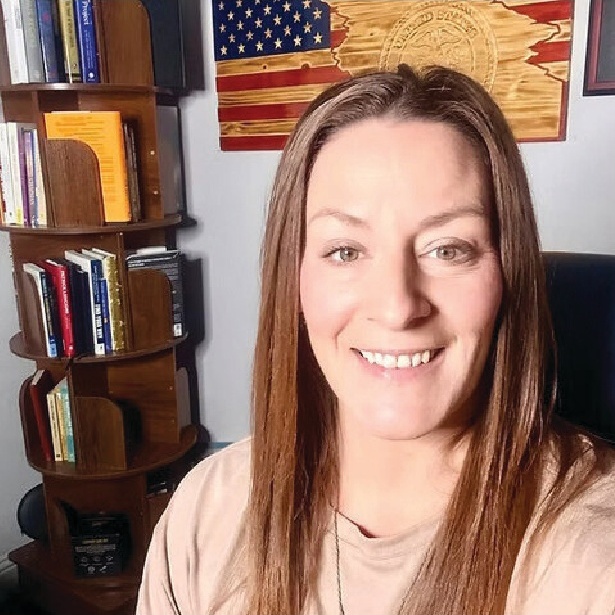
Aleeza Goggins, founder and Executive Director, says HHH builds a whole-person approach to help veterans and first responders move beyond crisis intervention toward long-term wellness and resilience. The nonprofit plans to launch its first cohorts in 2027, providing participants with an integrated support network at no cost.
“Getting through a crisis is only the beginning,” Goggins says. “Without lasting tools and connection, finding help across multiple providers can become another burden.”
Goggins’ vision is deeply personal. As a military spouse and nurse with nearly two decades of experience, she has seen firsthand how trauma can affect individuals and families. She also experienced burnout after years of suppressing her own trauma, eventually discovering approaches to healing that extended beyond traditional medicine.
That experience inspired her to create a program that could help others access those same possibilities. HHH’s model centers on three interconnected phases: Immersion, Experience and Resilience. The seven-day Immersion gives participants space to step away from their normal demands while they begin to identify their individual needs. The experience includes equine-assisted learning, health assessments, movement, nutrition planning and opportunities to learn about nervous system regulation.
The goal isn’t to solve everything in a week. Instead, Goggins hopes participants leave with a clearer understanding of themselves and a practical plan for the next stage of their journey.
The next stage, the 12-week Experience phase, brings those tools into everyday life through equine work, life coaching, weekly group sessions, trauma-informed therapy and individualized fitness and nutrition support. One-on-one check-ins allow the team to adjust the approach as participants encounter challenges and develop new habits.
Finally, the Resilience phase provides ongoing community, mentorship, connection and opportunities to explore purpose. Each phase is designed to lead into the next, with the organization’s partners helping build continuity rather than leaving participants to reconnect the pieces.
The organization’s whole-person philosophy recognizes that healing involves more than mental health care alone. HHH brings together movement, nutrition, relationships, purpose and meaningful activities alongside medical and mental health support.
Rather than attempting to provide every service itself, HHH is building a network of “best-in-class” partners. Among them is Horsemanship for Heroes, which Army veterans Karolyn and Scott Hooper founded. It incorporates the bond between people and horses into trauma recovery while offering participants opportunities to develop skills, compete, perform and eventually pursue instructor certification. For HHH, collaboration is central to creating sustainable care, as well as to preventing burnout among the professionals providing it.
As the organization prepares for its 2027 launch, funding remains its greatest challenge. Donations, business sponsorships, partnerships and community connections will help make the program available at no cost to participants.
“An introduction or sharing our work with your network can make a real difference,” Goggins says.
For those interested in learning more, supporting the mission or becoming involved, visit holistichealingandhealth.org.