

 What Hamilton County Nonprofits Can Do About It
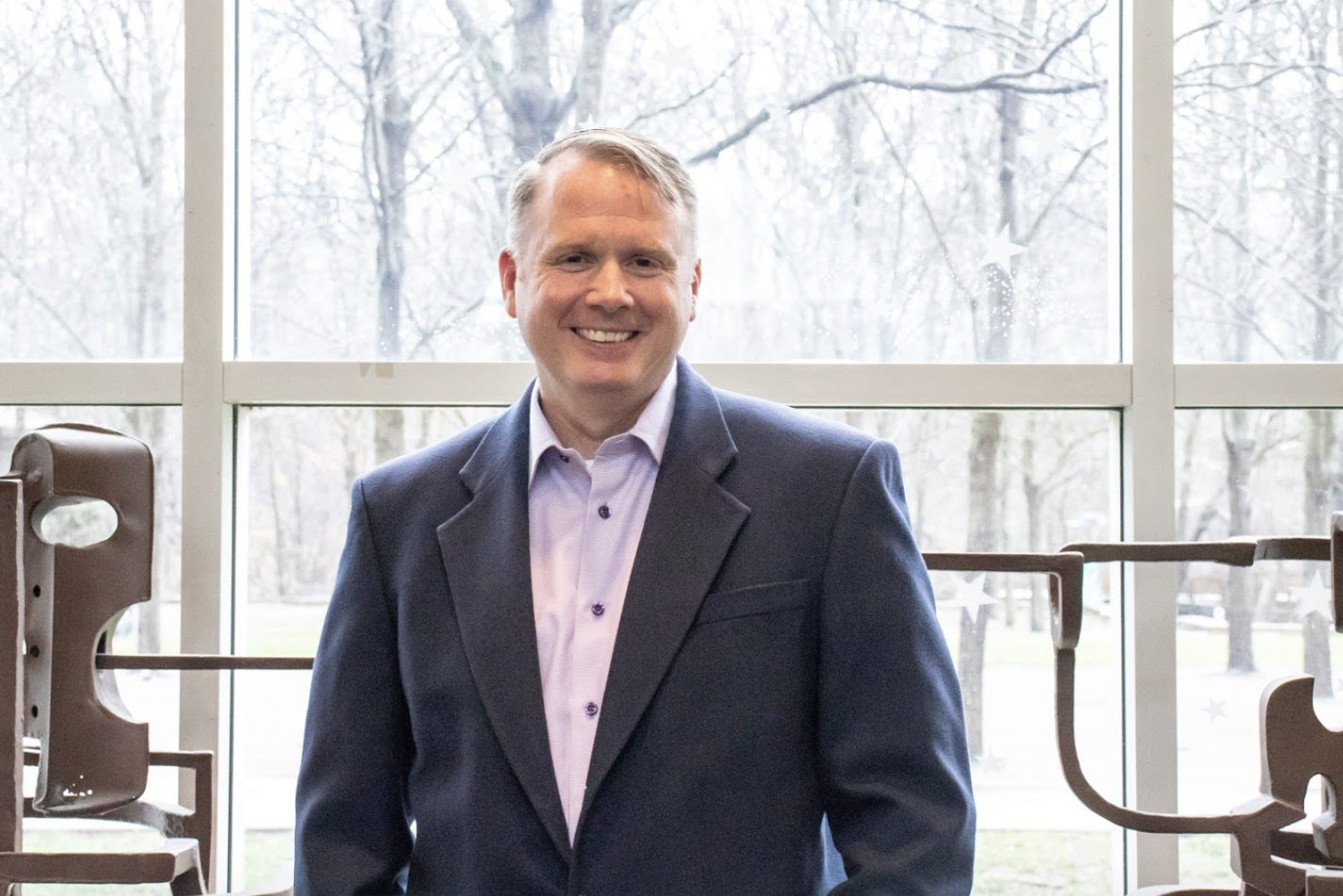
Writer / T.J. McGovern, MPA, is Founder and President of McGovern Consulting Group
Last Tuesday, I sat across from a development director at a well-respected Fishers nonprofit. She’d just come from a board meeting where she presented what looked like good news: revenue was up 4% from last year.
Her board celebrated. She didn’t.
“We lost 47 donors this year,” she told me. “We replaced them with three families who gave more. The board sees the bottom line. I see the bottom falling out.”
She’s right to worry. And she’s not alone.
The Exodus You Can’t See in Your Annual Report
Here’s what’s happening while we’re busy perfecting our donor recognition walls: American households are walking away from charitable giving at a pace that should terrify every nonprofit leader and every philanthropic family who cares about the causes they love.
In 2000, 66.2% of American households gave to charity. By 2020, that number had collapsed to 45.8%. We’ve lost one in five giving households in two decades. And it’s accelerating: donor numbers dropped 3.4% in 2023, then 4.5% in 2024. The micro-donors — people giving under $100 who represent over half of all donors — are disappearing fastest, down 8.8% to 12.4% annually.
Meanwhile, total dollars raised look fine because a handful of larger donors are propping up the whole system. We’re replacing democratic philanthropy — many voices, many hands — with philanthropic oligarchy. Fewer people giving more money means fewer voices shaping the causes we claim to serve.
The landscape changed while we were busy optimizing our donation pages. What worked eight years ago doesn’t just fail to serve donors today — it actively drives them away.
Why the Old Model is Killing Us
I know what you’re thinking: “But our fundraising is working. We hit our goal last year.”
That’s what concerns me most.
The very mindset of fundraising — the transactional machinery we’ve perfected — is running off the people who used to be our community. We’ve treated fundraising as a handoff function: organizations identify needs, package them, and hand them to development staff with clear instructions. Then we wonder why people feel like ATMs.
We can’t lead with fundraising anymore. We have to put the fundraising cart behind the four horses of cause, constituency, congregation, and community.
Last month, a successful Carmel business owner told me why she stopped giving to an organization she’d supported for a decade.
“Every interaction was about my capacity,” she said. “Nobody ever asked what I thought. What I’d learned building my business. I wasn’t a partner. I was a wallet with a name.”
This is the revolution that’s already occurred. Philanthropic people don’t want to be fundraised. They want to matter. They want to contribute their talent, networks, lived experience, and strategic thinking.
Who wants to be fundraised for the sake of fundraising results for an organization that consigns them to the single dimension of “donor”?
From Transactional to Transformational
 What I’m about to share isn’t theory. Through my consulting firm, I’ve guided dozens of organizations through this transition — Fortune 500 corporate foundations, family philanthropies, community-serving nonprofits. The transformation starts with one decision: to stop fundraising and start facilitating community of shared purpose.
Get rid of the concept of fundraising.
Not the function — we still need revenue. But the mindset that reduces human beings to their transactional value. Replace the vocabulary of “fundraising” and “donor cultivation” with “cause-centered community building” and “philanthropic partnership.”
Focus relentlessly on cause.
Not your programs or needs. On the animating cause that transcends your organization. The community challenge that should keep all of us up at night.
Build community around contribution to cause — with emphasis on talent and passion.
Money follows meaning. But we keep leading with money and wondering why meaning doesn’t follow.
A Fishers educational nonprofit I work with restructured their engagement model last year. Instead of asking donors to fund predetermined programs, they convened quarterly “impact labs” where philanthropic partners collaborate with teachers and staff to co-design solutions. Giving went up 23%. But retention went from 61% to 89%. People stay where they matter.
Engage potential philanthropic partners in shaping initiatives before they give a dollar.
This feels dangerous. What if they disagree with our approach? Good. That’s called partnership. That’s called building something together instead of asking someone to fund something you’ve already decided.
Philanthropic facilitators must work in teams, not as lone individuals carrying portfolios.
Instead of development directors scheduling one-on-ones to present funding needs, convene standing advisory teams. Deploy facilitation teams that include program staff, board members, and beneficiaries.
Treat first-time givers of any amount as tentative believers.
A family foundation I consult with now requires every grantee to engage first-time donors in a meaningful program experience within 60 days. Not a facility tour. A real experience of differences made. Their renewal rate on first-time donors doubled in eighteen months.
The Fishers Advantage
Here’s what gives me hope: We’re small enough to transform our philanthropic ecosystem, but substantial enough to matter nationally when we do.
I’ve watched this community rally before. We can pioneer a new model here — one where cause-centered community building replaces transactional fundraising. Where giving participation rises because people experience belonging, not just solicitation.
But we have to start now. Before we lose another 4.5% of our donors next year while celebrating that our dollars held steady.
An Invitation
I’m building a community of practice in Hamilton County for nonprofit leaders and philanthropic families who sense the old models are failing us — even when they appear to be “working.”
If you’re tired of being thanked and hungry to be engaged, we should talk. Not about your fundraising results. About your cause, your community and what becomes possible when we stop fundraising and start facilitating transformation together.
The giving revolution has already occurred. The only question is whether we’ll adapt or watch our organizations depend on fewer and fewer people.
T.J. McGovern, MPA, is Founder and President of McGovern Consulting Group, where he transforms transactional fundraising into cause-centered community building. With 26 years of experience spanning health care, education and social services — including serving as Development Director for Ivy Tech Community College, the nation’s largest community college system — T.J. has guided organizations through funding efforts from $100K to $20M while training leaders from more than 200 organizations on engagement practices that build lasting philanthropic communities. He also advises individuals, corporations and foundations on navigating the how, what and why of giving to improve charitable outcomes and deepen philanthropic impact. He holds a Master’s in Nonprofit Management from Indiana University’s School of Public and Environmental Affairs and is pioneering new models of philanthropic facilitation from his base in Fishers, Indiana.



Comments 1
#linkedinlunatic
Just read an entire ad for someone that is “pioneering new models of philanthropic facilitation”. Please, you still just ask rich donors for money.